The Evolution of Remote Controls: From Simple Clickers to Smart Devices
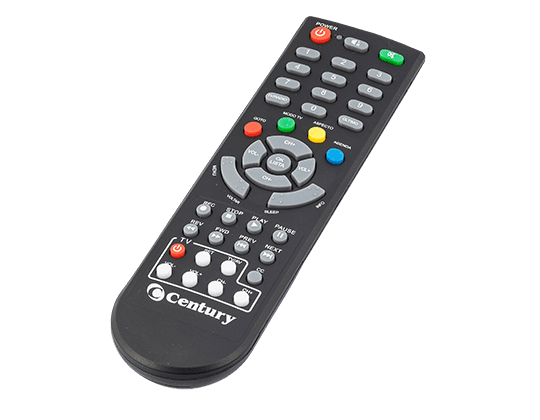
The evolution of remote controls has been a fascinating journey, beginning in the 1950s when the first clickers transformed the way we interacted with our televisions. Initially designed as simple mechanical devices, these early remotes allowed users to change channels without leaving their seats. With the introduction of infrared technology in the 1980s, remotes became more user-friendly, enabling functions like volume control and direct input selection. Over the decades, the design and functionality of these devices have significantly advanced, leading to sophisticated models equipped with programmable buttons and universal capabilities that can control multiple devices seamlessly.
Today, we find ourselves in the age of smart remote controls, which are integrated with smart home technology and voice recognition features. These smart devices not only facilitate traditional functions like channel surfing and volume adjustment but also allow users to interact with streaming services, manage smart home appliances, and customize settings through mobile apps. The transition from simple clickers to multifunctional gadgets highlights the growing demand for convenience and connectivity, showcasing how the evolution of remote controls is closely linked to advances in technology and consumer preferences. As we look to the future, we can expect even more innovations that will shape the way we control our entertainment and home environments.
Counter-Strike is a popular first-person shooter franchise that has captivated gamers for years. Players engage in tactical team-based gameplay, where coordination and strategy are essential for success. As you immerse yourself in the action, you might also be interested in enhancing your gaming experience with the Top 10 apple tv remotes that can elevate your entertainment setup.
How Remote Controls Changed the Way We Interact with Entertainment
The advent of remote controls has significantly transformed our experience with entertainment. Before their introduction, viewers had to manually change channels, adjust volume, and even switch between devices, which interrupted the flow of enjoyment. With the advent of remote controls, users could seamlessly navigate through a multitude of channels and settings without ever leaving their seats. This convenience has not only enhanced user satisfaction but has also led to a more engaging television experience, allowing viewers to focus on what truly matters: the content itself.
Moreover, the evolution of remote controls has paved the way for the integration of various technologies, creating a more interactive entertainment environment. Modern remotes not only control televisions but also manage streaming devices, sound systems, and even smart home features. This convergence of control has redefined how we interact with various forms of media, leading to the rise of voice-activated technology and mobile apps that further enrich our viewing experience. As we continue to embrace these innovations, it's evident that remote controls have fundamentally altered our relationship with entertainment, making it more accessible and enjoyable than ever before.
Are Remote Controls Making Us Couch Potatoes? Exploring the Impact on Lifestyle
The advent of remote controls has undeniably transformed the way we consume media. No longer do we have to get up to change the channel or adjust the volume, which certainly adds convenience to our viewing experience. However, this convenience comes at a cost. With a simple click, we can spend hours on the couch, immersed in our favorite shows, leading many to question: are remote controls making us couch potatoes? Research indicates that excessive sedentary behavior can contribute to various health issues, such as obesity, heart disease, and reduced physical fitness, shining a light on the importance of balancing screen time with physical activity.
Furthermore, the impact of remote controls goes beyond just physical fitness; it also influences our social interactions and daily habits. With the lure of instant entertainment at our fingertips, many people find themselves spending less time engaging in outdoor activities, hobbies, or socializing with friends and family. As we delve deeper into the digital age, it’s essential to recognize how conveniences like remote controls can lead to a more sedentary lifestyle. Setting boundaries on our screen time and promoting active pastimes can help combat the trend of becoming couch potatoes while still enjoying the benefits of modern technology.