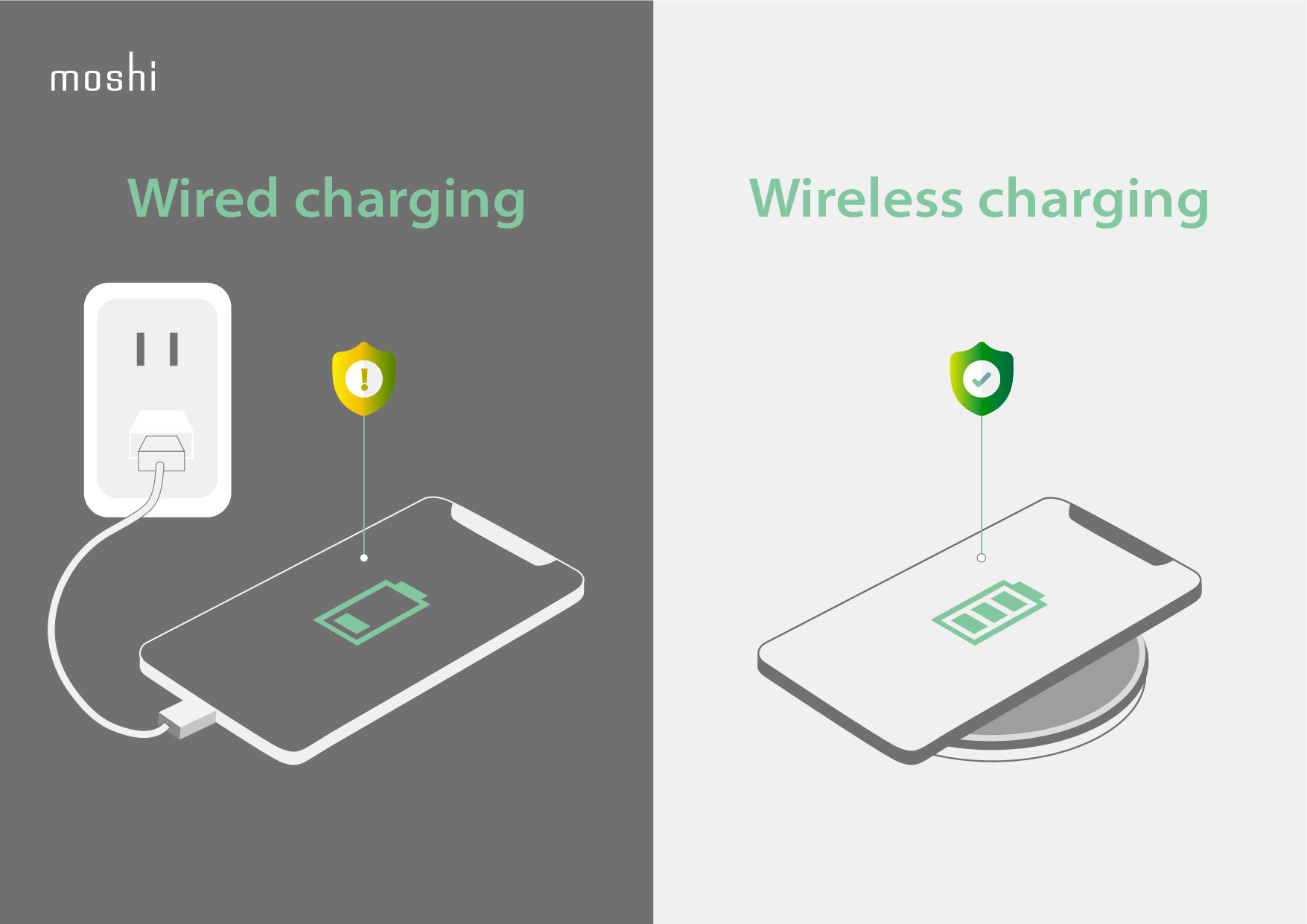
How Does Wireless Charging Work? A Deep Dive into the Technology
Wireless charging, also known as inductive charging, operates on the principles of electromagnetic induction. This technology allows energy to be transferred from a charging pad to a compatible device without the need for physical connectors. The main components involved in this process are a transmitter coil located in the charging pad and a receiver coil housed within the device, such as a smartphone or smartwatch. When the charging pad is powered on, the transmitter coil generates an alternating electromagnetic field that induces a current in the receiver coil, enabling the device to recharge its battery.
The efficiency of wireless charging can vary depending on factors such as alignment between the coils and the distance separating them. To optimize performance, many devices are equipped with guidelines, indicating the optimal placement for charging. Additionally, there are multiple standards for wireless charging, the most common being Qi, which has become widely adopted across various device manufacturers. Although wireless charging can be slower compared to traditional wired methods, its convenience and growing adoption make it an increasingly popular choice among consumers.
Counter-Strike is a popular tactical first-person shooter game that has captivated millions of players worldwide. It requires teamwork, strategic planning, and precise shooting skills. If you’re looking for reliable accessories for your gaming setup, check out the Top 10 magsafe chargers to enhance your experience.
The Pros and Cons of Wireless Charging: Is It Right for You?
Wireless charging has become increasingly popular due to its convenience and ease of use. One of the pros of wireless charging is that it eliminates the need for tangled cords and the hassle of plugging and unplugging devices. Simply place your smartphone or other compatible device on a charging pad, and charging begins automatically. Additionally, many wireless chargers offer features such as fast charging and are compatible with various devices, making them a versatile option for tech-savvy users. However, it's essential to note that wireless charging may not be as efficient as traditional charging methods, leading to longer charging times in some cases.
On the other hand, there are also some cons to consider when it comes to wireless charging. For instance, the heat generated during the charging process can potentially affect the longevity of your device's battery. Moreover, the need for precise alignment between the device and the charging pad can be inconvenient, particularly if you're in a hurry. Lastly, wireless chargers can be more expensive than their wired counterparts, which may deter some users from making the switch. Ultimately, whether wireless charging is right for you will depend on your lifestyle, usage habits, and personal preferences.
Wireless Charging Myths Debunked: Separating Fact from Fiction
Wireless charging has gained significant popularity in recent years, but it is also surrounded by various myths that can mislead consumers. One common misconception is that wireless charging is significantly slower than traditional wired charging. In reality, while it's true that some older models of wireless chargers may offer lower power output, advancements in wireless charging technology have led to devices that can charge at rates comparable to wired chargers. For example, many modern smartphones now support fast wireless charging, allowing users to enjoy the convenience of cable-free power without sacrificing charging speed.
Another frequent myth is that using a wireless charger can damage your device's battery. However, this is largely untrue. Most reputable wireless chargers are designed with built-in safety features that prevent overheating and overcharging, acting much like their wired counterparts. As a result, the potential risk of battery damage is minimal. It's worth noting, though, that excessive heat can be detrimental to battery health, so it's advisable to use high-quality chargers and maintain clear ventilation to optimize charging efficiency.