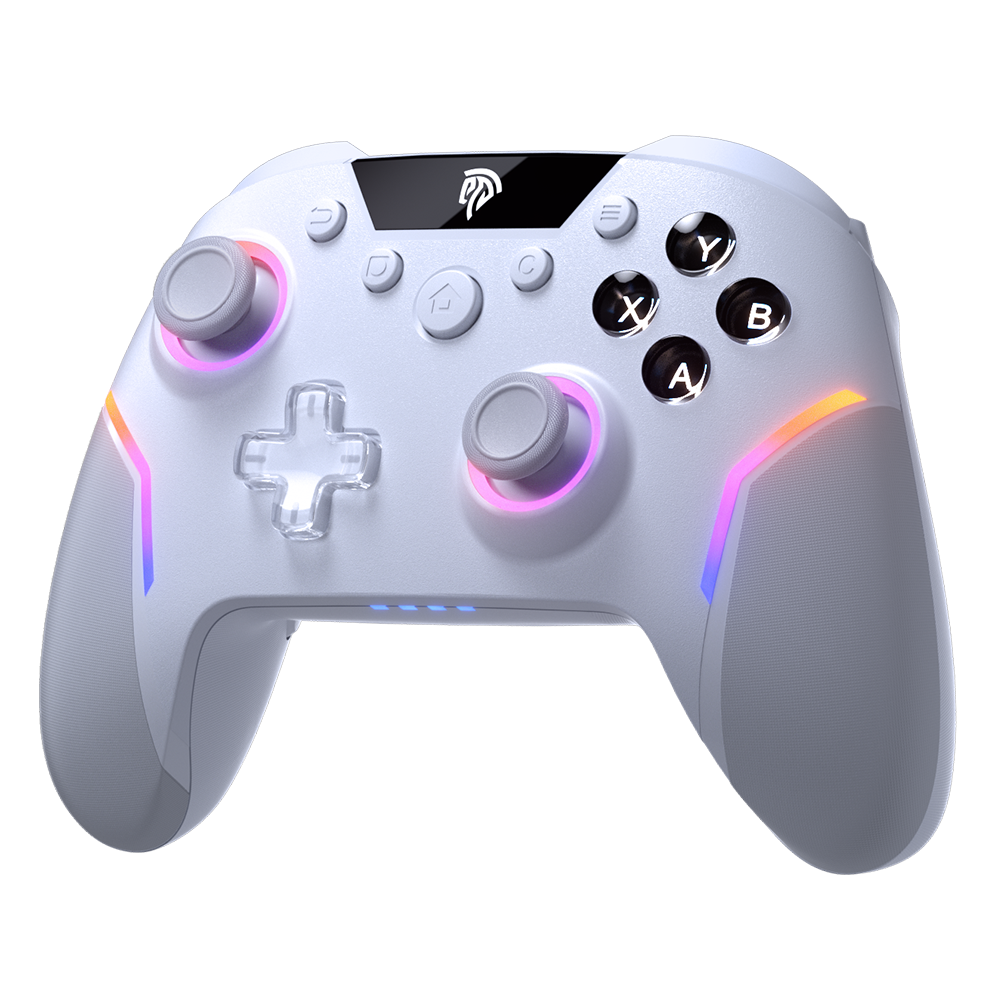
How Gaming Controllers Influence Our Emotions and Actions
Gaming controllers are more than mere tools for interaction; they play a significant role in shaping our emotions and actions during gameplay. When we hold a controller, the design and functionality evoke certain feelings, from excitement to frustration. The tactile feedback of a gaming controller can heighten our emotional responses, enhancing the overall experience. For instance, the vibration of a controller during an intense moment in a game can amplify feelings of tension and thrill, making us feel more immersed in the virtual world.
Moreover, the way we interact with these devices can influence our actions both in-game and in real life. Studies have shown that gaming controllers can impact our decision-making and reflexes, often leading to improved hand-eye coordination. This carries over into our daily lives, as the skills developed through gaming can translate into better performance in tasks that require quick thinking and agility. The emotional bond players form with their controllers can also lead to a sense of attachment, making them feel as though they are part of the game itself.
Counter-Strike is a popular first-person shooter game that has captivated millions of players worldwide. Known for its tactical gameplay and team-based mechanics, it has evolved into a staple of competitive gaming. Players often seek the best gaming equipment for enhanced performance, and if you're looking for recommendations, check out the Top 10 apple tv gaming controllers to elevate your gaming experience.
The Hidden Psychology Behind Your Favorite Gaming Controls
The realm of video gaming transcends mere entertainment; it delves into the complex interplay between psychology and design. The favorite gaming controls you cherish aren't just arbitrary choices; they're carefully crafted to evoke specific emotional responses. For instance, the tactile feedback from a controller or the fluidity of keyboard inputs can create a sense of immersion that enhances your overall gaming experience. Developers understand that when players feel physically engaged, whether through vibrating controllers or responsive buttons, it taps into the psychology of reward, making every victory feel more satisfying and every defeat more impactful.
Moreover, the layout of these gaming controls is no accident. It’s been optimized to cater to cognitive processing patterns. When the controls are intuitive—even down to the shape and positioning of buttons—players can react more quickly, leading to a state known as "flow" where the individual feels both challenged and capable. Think of iconic gaming setups: the classic thumbstick layout that mirrors a natural grip or the ergonomic design of modern controllers that reduce fatigue during extended play sessions. Such elements serve not only functional purposes but also reinforce emotional connections to the game, making them a vital component of your gaming psychology.
Are Gaming Controllers Shaping Our Decision-Making Skills?
In recent years, the influence of gaming controllers on our everyday decision-making skills has become a topic of considerable debate. Video games often require players to make rapid decisions based on complex inputs and ever-changing scenarios. These scenarios can range from strategic planning in role-playing games to split-second reflexes in first-person shooters. As players navigate through virtual challenges, they often develop a decision-making skill set that involves critical thinking and adaptability. Studies suggest that frequent gamers may excel in tasks that require improved problem-solving skills and enhanced cognitive flexibility, effectively shaping how they approach real-world decisions.
Furthermore, the intuitive design of gaming controllers may allow for a deeper engagement with scenarios that promote perseverance and resilience. The immersive experience fostered by these devices encourages players to analyze outcomes, learn from failures, and adapt strategies swiftly. This kind of engagement can lead to better judgment and decision-making frameworks applicable beyond gaming. As gaming continues to advance, it remains essential to analyze how these tools not only entertain but also empower users to refine their cognitive abilities, thereby enriching their decision-making processes in everyday life.