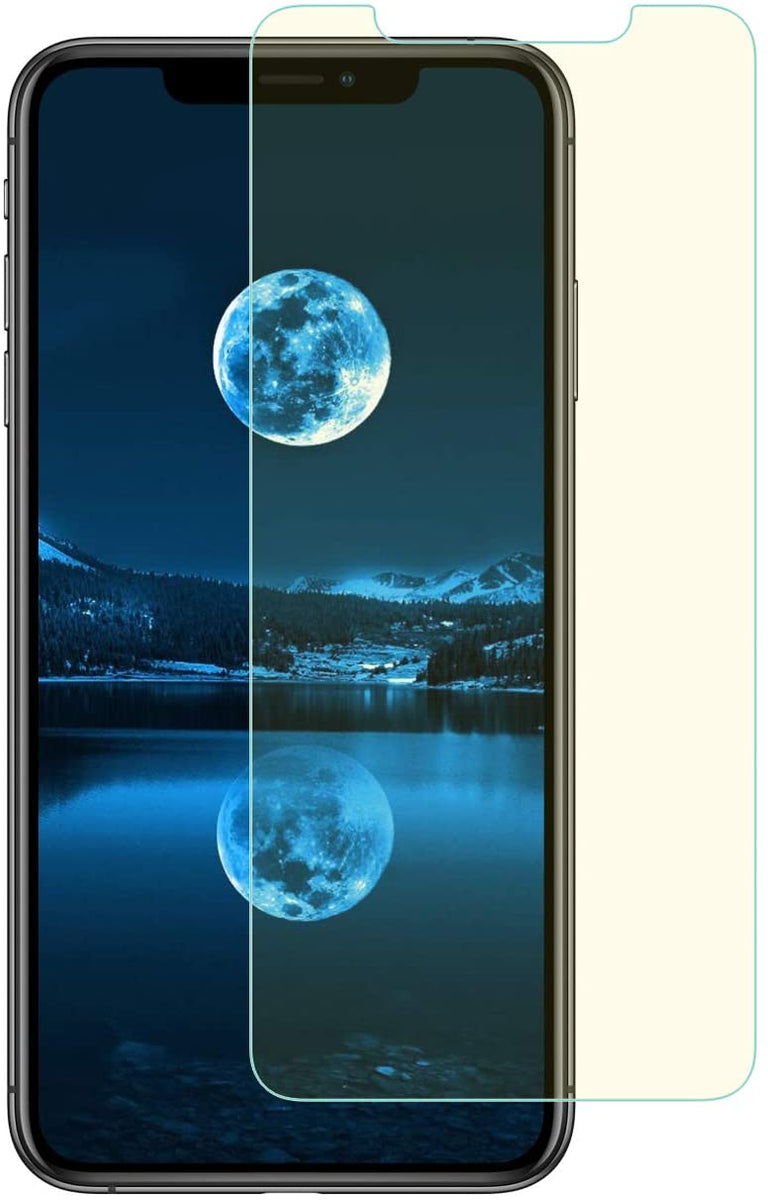
Understanding Digital Eye Strain: Symptoms and Solutions
Understanding Digital Eye Strain, also known as computer vision syndrome, is increasingly important in our tech-driven world. Many individuals spend hours staring at screens, whether it's for work, entertainment, or communication. Common symptoms include blurred vision, dry eyes, headaches, and difficulty focusing. According to the American Optometric Association, approximately 50-90% of people who work at computers experience some degree of digital eye strain. The bright screens, glare, and prolonged use can lead to discomfort and even long-term vision problems if not addressed promptly.
Fortunately, there are effective solutions to mitigate the effects of digital eye strain. Consider the following strategies:
- Take regular breaks: Follow the 20-20-20 rule by taking a 20-second break to look at something 20 feet away every 20 minutes.
- Adjust your workspace: Ensure your monitor is at eye level and about an arm's length away to reduce strain.
- Use proper lighting: Minimize glare by using appropriate lighting and adjusting screen brightness to match the surrounding environment.
- Consider blue light glasses: These can help filter out harmful blue light emitted by screens.
Counter-Strike is a highly competitive team-based first-person shooter game that has captivated gamers since its inception. With its intricate maps and strategic gameplay, players must work together to complete objectives, such as defusing bombs or rescuing hostages. As gaming sessions can sometimes result in eye strain, it's essential to consider comfort while playing. For those interested, check out the Top 10 Phone Accessories for Eye Strain to enhance your gaming experience.
Top 5 Techniques to Reduce Eye Fatigue from Screens
In today's digital age, prolonged screen time can lead to eye fatigue, a common issue affecting many individuals. One effective method to combat this problem is the 20-20-20 rule. To practice this technique, every 20 minutes, take a 20-second break to look at something 20 feet away. This simple habit allows your eyes to rest and reduces the strain that builds up from staring at screens for extended periods.
Another useful technique to alleviate eye fatigue is adjusting your workspace ergonomics. Ensure that your computer monitor is at arm's length and positioned at eye level to reduce strain on your neck and eyes. Consider utilizing artificial tears or a humidifier to combat dryness, which is often exacerbated by screen exposure. Incorporating regular breaks and optimizing your work environment are essential for maintaining eye health in our tech-driven world.
Are Blue Light Blockers Worth It? The Science Behind the Hype
The debate surrounding blue light blockers has gained significant traction in recent years, particularly as more people spend prolonged hours in front of screens. Blue light, which is emitted by digital devices such as smartphones, tablets, and computers, has been linked to potential eye strain and sleep disturbances. According to research, the exposure to blue light, especially before bedtime, can disrupt the body's natural circadian rhythm, making it harder to fall asleep. As a result, many individuals are turning to blue light blocking glasses as a potential solution to mitigate these effects.
However, the effectiveness of blue light blockers is still a topic of scientific inquiry. While some studies suggest that these glasses can reduce eye strain and improve sleep quality, others indicate that the human eye's sensitivity to blue light is not as harmful as previously believed. In practice, adopting good screen habits—such as taking regular breaks, adjusting screen brightness, and using night mode settings—can also play a crucial role in minimizing discomfort. Ultimately, while blue light blockers may offer relief for some individuals, they should not be seen as a panacea for all digital eye strain issues.